
Sealing & Bonding
In logistics and distribution facilities, sealing, bonding and jointing solutions are essential to maintaining both the structural performance and long-term durability of the building.
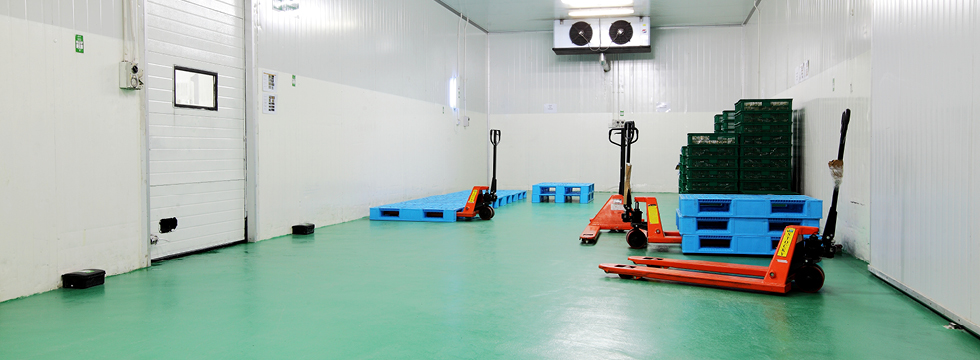
Sealing and bonding systems help ensure structural integrity across a wide range of building elements, from floor joints and wall interfaces to service penetrations and cladding connections. In high-traffic logistics hubs, where vibration from forklift movement and constant loading is common, these systems help to keep components securely in place and prevent the gradual breakdown of interfaces over time.
They also play a critical role in maintaining airtightness and moisture control. Unsealed or poorly sealed joints can allow air leakage, dust ingress and water penetration, all of which can compromise internal environmental conditions. This is particularly important in storage areas where product protection, hygiene standards, or temperature stability are required.
Jointing systems are equally important in large warehouse slabs, which are subject to natural movement caused by thermal changes, loading cycles and ground settlement. Without properly designed movement joints, this stress can lead to cracking, surface damage and costly repairs. Flexible, high-performance jointing solutions accommodate this movement while preserving the integrity and flatness of the floor.
Together, sealing, bonding and jointing systems help to ensure that the faculties remain robust, low-maintenance and fit for long-term operational demands, reducing the risk of disruption and protecting the building fabric throughout its lifecycle.


