
Functional Flooring Systems
In life science facilities, flooring is critical to maintaining product quality, safety and operational continuity, requiring high standards of hygiene, durability, chemical resistance and electrostatic control.
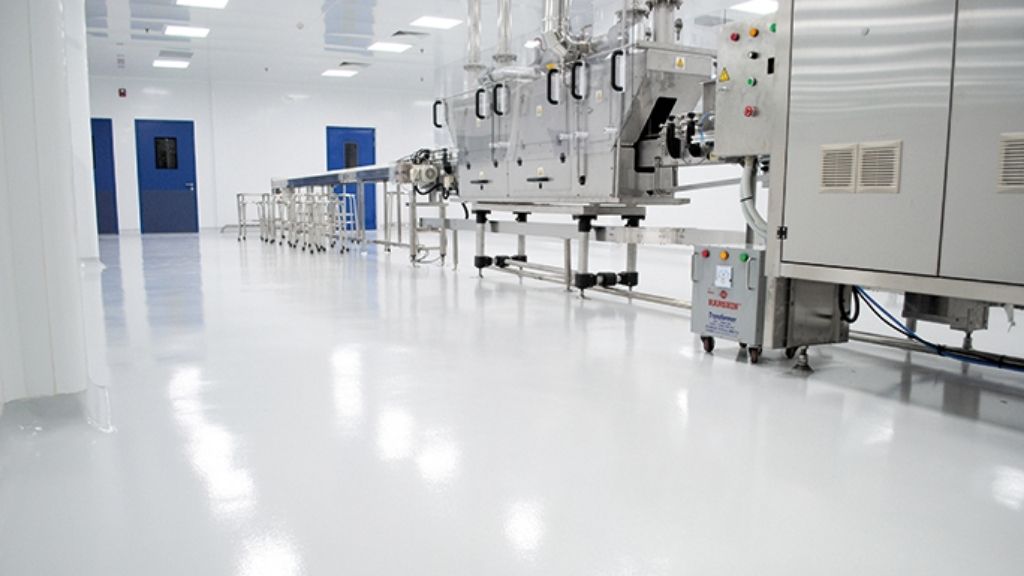
Floors are one of the key elements of infrastructure that directly affect the quality, safety and continuity of production processes. Flooring systems must meet stringent criteria for hygiene, chemical resistance and particle emission control, especially in cleanroom areas, whilst providing high durability, resistance to intensive use and operational safety in high-risk environments, such as ATEX zones or areas protected against electrostatic discharge (ESD).
The right flooring system supports regulatory compliance, operational efficiency and cleanliness while reducing downtime. Selection should be tailored to process requirements, room conditions and industry standards to ensure a durable, safe and high-performing environment.
Main Criteria
- High resistance to chemicals and disinfectants
- Seamless surface, easy to clean and dust-free
- Low VOC and particulate emissions
- Resistance to mechanical loads and intense movement (e.g. AGV)
- Anti-slip properties and safety of use
- Can be used in ESD and ATEX zones
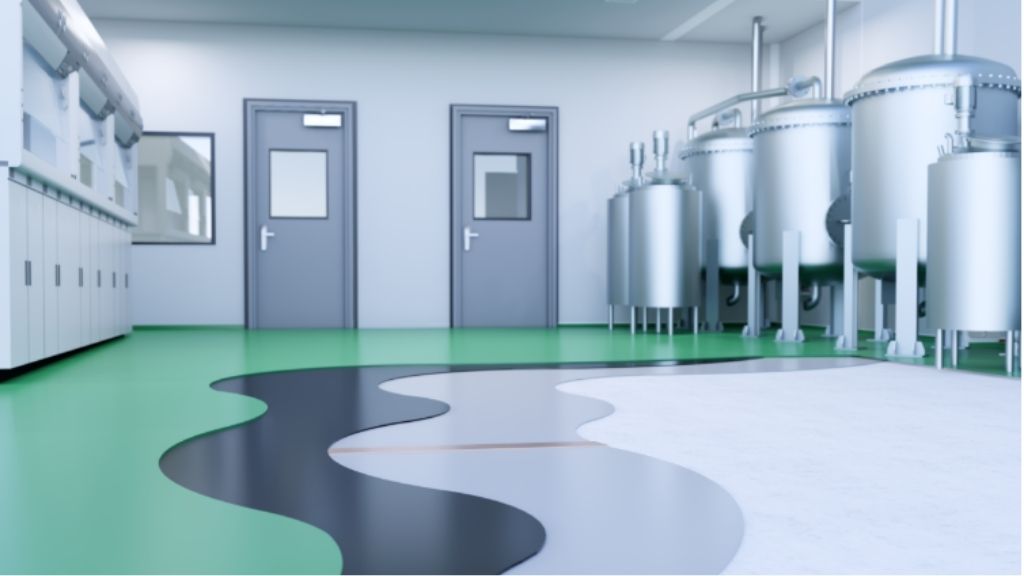
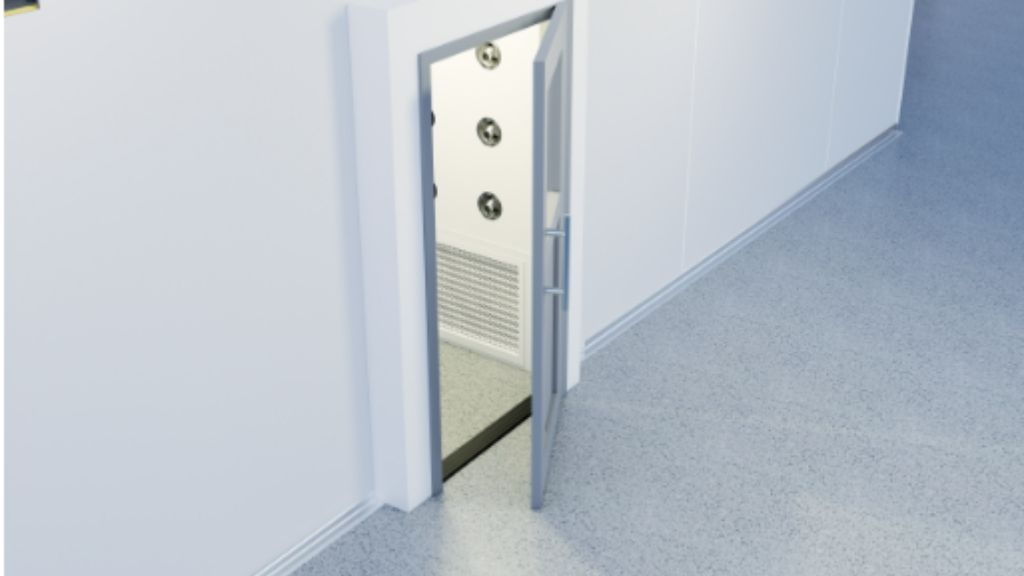
Smooth and Decorative Systems
Surface decontamination is a crucial criterion to ensure compliance with FDA and/or GMP Annex 1 requirements. Choosing the right flooring system allows addressing essential life science industry needs such as airborne molecular contamination, low VOC emissions, aesthetic appearance, and colour clarity, contributing to a conducive work environment.
Functional Systems
Significant safety performance, especially in environments where the presence of solvents and/or volatile explosive substances classifies areas as ATEX zones, with a high risk of explosion or fire. Resistance to chemical exposure, such as spills on the floor, is a critical factor in selecting the appropriate coating. Additionally, considerations like protection against electrostatic discharge are essential, particularly in areas with Automated Guided Vehicle (AGV) traffic.
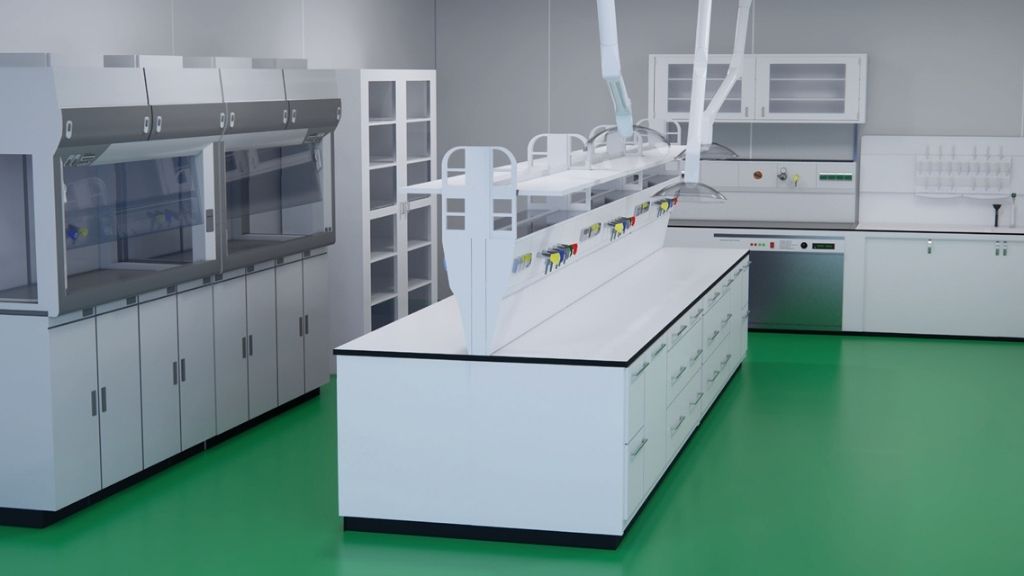
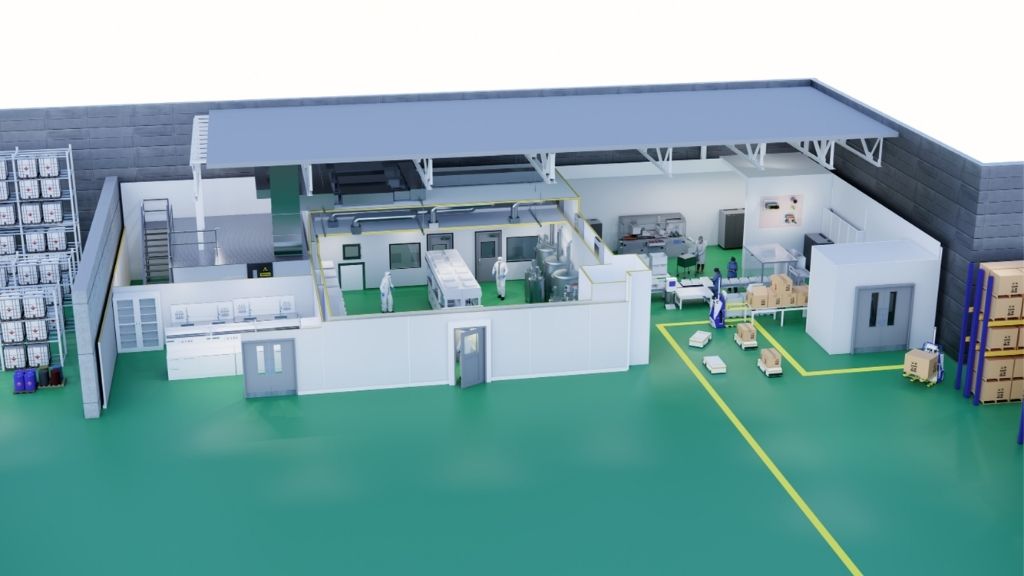
Specialty Systems
Unique characteristics tailored to the life science industry's diverse applications. From robust decorative solutions like Terrazzo techniques to exceptionally flexible and comfortable options designed for intensive pedestrian traffic such as laboratories, changing rooms or offices. Rapid, decorative, and anti-slip systems are available for slightly humid areas or outdoor spaces, enhancing safety and circulation efficiency.


